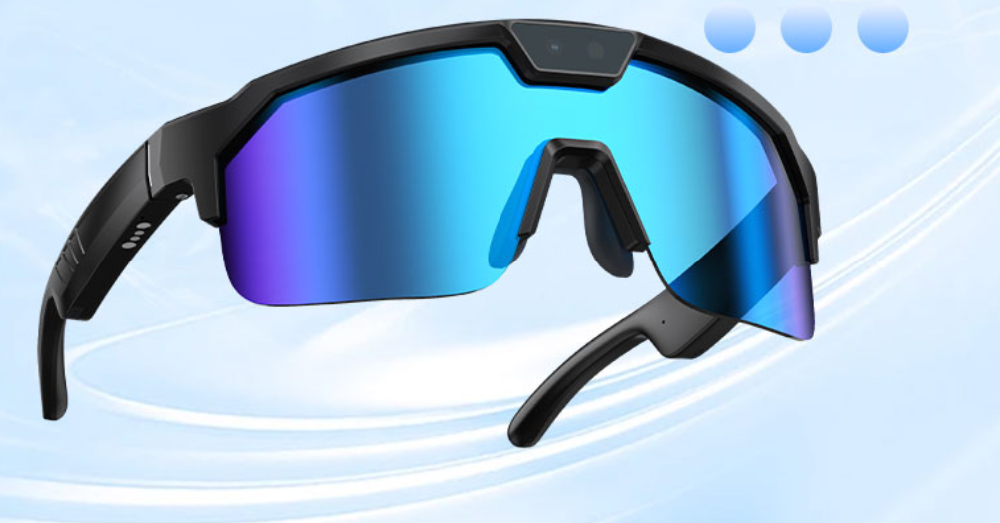
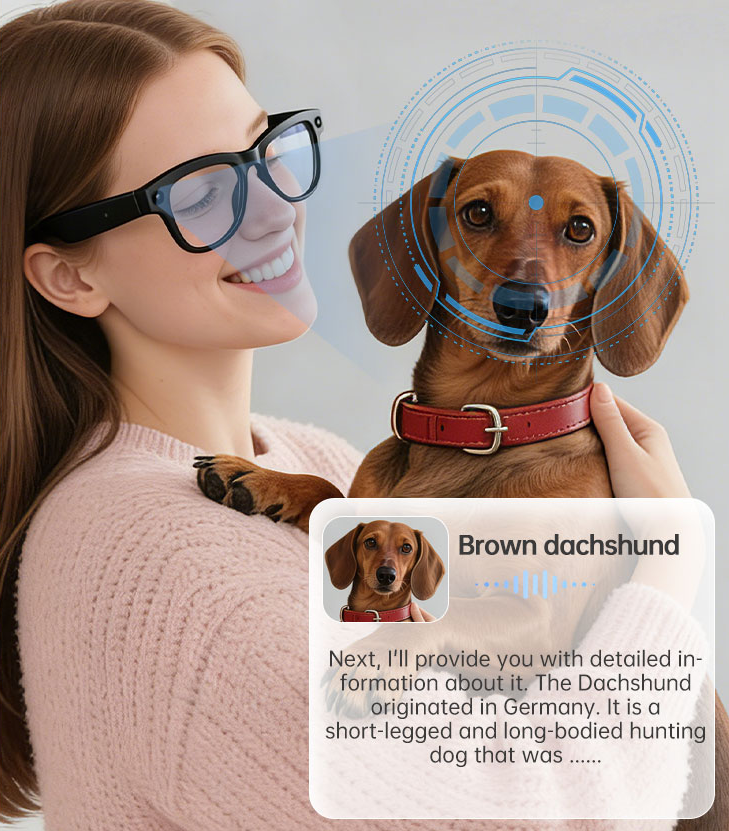
The wearable technology landscape is experiencing a definitive shift. For years, open-ear audio glasses remained a niche, aesthetic novelty constrained by poor acoustic isolation, heavy frames, and limited battery life. Today, the integration of multimodal AI models and ultra-low-power micro-processors has turned smart eyewear from a passive listening tool into a hands-free productivity engine.
For importers, brands, and distributors, understanding this shift is critical when planning product lines and inventory strategy.
1. The Hardware Convergence: Why Headphones Are Losing Ground
Consumer preference is shifting toward "invisible utility." Traditional TWS earbuds suffer from long-term ear canal fatigue and situational awareness isolation. Smart glasses solve both issues inherently:
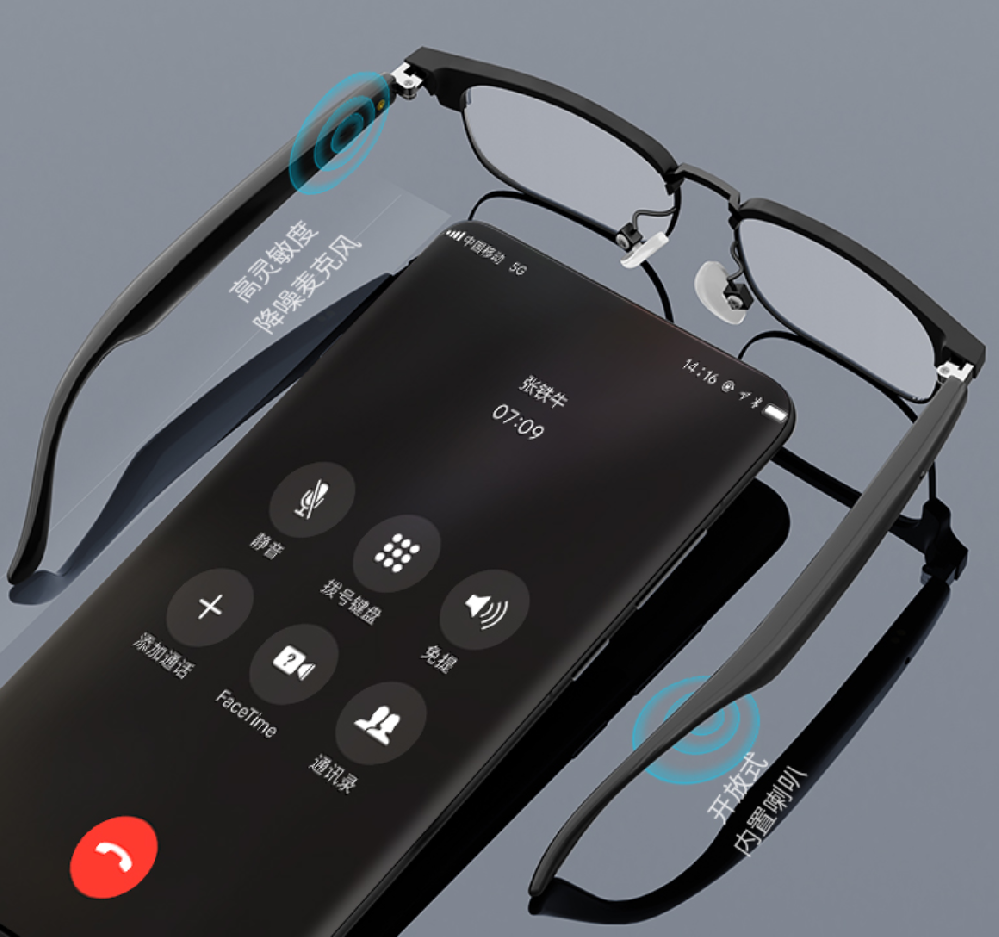
Natural Ergonomics: By embedding directional micro-speakers into optical frames weighing under 40 grams, users get open-ear audio without pressure points.
Dual-Microphone Noise Reduction: Advanced beamforming mic arrays combined with ENC (Environmental Noise Cancellation) algorithms now allow clear voice input even in noisy street or office environments.
Always-On Voice Interfaces: Low-power BLE 5.3 chips allow smart glasses to remain connected to smartphone LLM apps all day without draining the battery.

2. The Commercial Revenue Model for B2B Brands
Unlike consumer audio gear, which faces price compression, AI smart glasses command higher price margins due to their dual functionality: daily vision correction + tech utility.
High Perceived Value: Adding Voice AI capability increases the perceived end-user value by 2x to 3x while keeping BOM (Bill of Materials) increases manageable.
Rx (Prescription) Lens Integration: Frame designs with standard TR90 or acetate materials allow local opticians to fit custom prescription lenses easily, expanding the target customer base from tech enthusiasts to standard glasses wearers.
3. Key Technical Benchmarks Buyers Must Evaluate
When sourcing AI smart glasses, buyers should look beyond marketing specs and inspect actual hardware metrics:
| Technical Parameter | Industry Average (Legacy) | Next-Gen Benchmark (Recommended) |
| Frame Weight | 50g – 65g | < 38g – 42g |
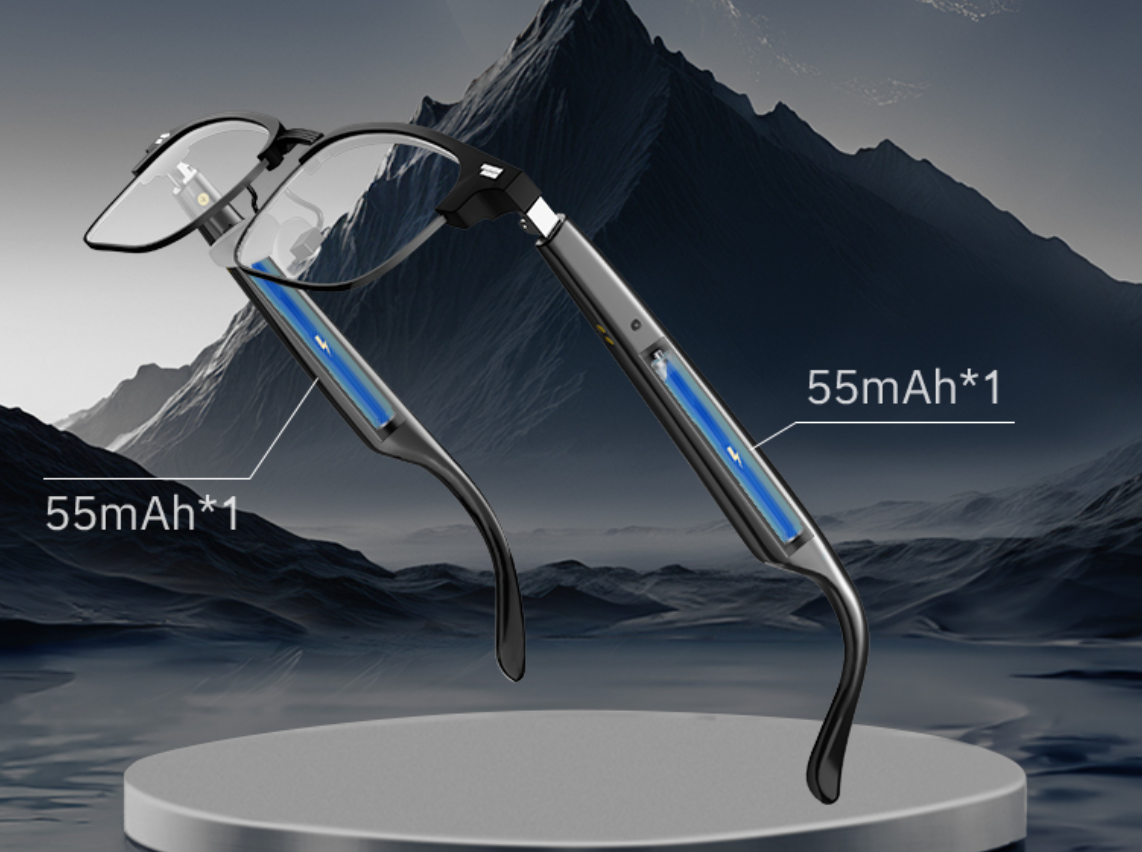
| Continuous Playback | 2.5 – 3 Hours | 5.5 – 7 Hours |
| Standby Time | 24 Hours | 72+ Hours |
| Microphone Setup | Single Omnidirectional | Dual Beamforming ECM/MEMS |
| Water Resistance | None | IPX4 / IPX5 Certified |
Practical Sourcing Advice for Importers
If you are adding smart eyewear to your brand lineup, start with mature, stable hardware architectures (such as dual-mic voice assistant frames) rather than jumping directly into high-cost, high-return display optics unless your distribution channel specifically caters to enterprise AR applications.
💡 Ready to expand your smart eyewear portfolio?
Standard models support low MOQ white-label branding, with custom OEM/ODM solutions available for volume orders.
📩 [Contact Our Engineering Team to Request Sample Units]